
Refrigerator Leaking Water Inside: Causes, Fixes, and When to Call a Pro
- Update Date: July 24, 2026
Disclosure: This post contains affiliate links. If you purchase through them, we may earn a small commission at no extra cost to you.
Share the Glint Editorial Team
We're a small team of home appliance researchers and writers focused on HVAC and appliance troubleshooting across North America. Our guides are created by analyzing manufacturer manuals, HVAC service documentation, and real-world repair patterns reported by technicians and homeowners. We use multiple independent sources to validate key technical claims, including manufacturer documentation and industry safety guidelines (such as EPA and DOE references where applicable). Our goal is to turn complex technical information into clear, practical guidance for everyday homeowners.
Quick Answer: A refrigerator leaking water inside is almost always a clogged or frozen defrost drain, and that's true whether you've got a Whirlpool, GE, LG, or Samsung — though if your refrigerator has water leaking inside near the door instead, a torn gasket is the more likely cause. A cracked water inlet valve or a leaky water filter housing round out the usual suspects, especially on models with an ice maker or dispenser. Most of these fixes take under 30 minutes and cost less than a dinner out.
Is this your exact problem?
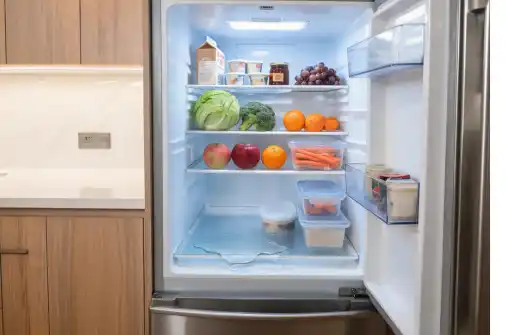
If your refrigerator has water leaking inside and pooling under the crisper drawers, you're in the right place. Here's the usual pattern people describe before they start digging around.
- If your refrigerator has water leaking inside and pooling under the crisper drawers, you're in the right place. Here's the usual pattern people describe before they start digging around.
- A puddle that reappears a few hours after you wipe it dry
- Ice buildup on the back wall of the freezer or fridge compartment
- Water dripping specifically near the door seal when the door is closed
- Leaking that started right after you replaced the water filter or noticed the ice maker acting up
If two or more of these sound familiar, keep reading. Whether you'd call it a refrigerator has water leaking inside situation or just a fridge that won't stop dripping, we'll walk through what's actually going on and how to check it yourself.
What usually causes refrigerator leaking water inside — ranked by likelihood
These are ranked by how often they actually show up. Start at the top — it's the fix most people need. Most water leaking inside refrigerator complaints trace back to just the first two causes below.
Source: RepairClinic — Refrigerator Defrost Drain Clogged
How to find the real cause — step by step
- 1Find exactly where the water is coming fromEmpty the crisper drawers and look for the source. Water pooling toward the back usually points to the defrost drain. Water near the door edge usually points to the gasket.
- 2Flush the defrost drainLocate the small drain hole at the back of the freezer floor. Fill a turkey baster with warm water and flush it through a few times. If ice is blocking it, let it sit unplugged for an hour first so it can thaw, then flush again.
- 3Check the door gasketRun your fingers around the whole gasket, feeling for tears, twists, or spots that don't stick to the frame. A dollar‑bill test works too — if you can pull it out easily with the door shut, the seal is weak there.
- 4Inspect the water inlet valve and linePull the fridge out and look at the back where the water line connects. Check for cracks, drips, or a loose fitting. Tighten what you can, and replace the valve if it's visibly cracked.
- 5Check the water filter housing and filter headRemove the filter and inspect the housing for hairline cracks, and check the rubber seal on the filter head. A cracked housing needs replacing — it can't really be patched.
- 6Confirm the temperature setting, then call a pro if it's still leakingSet the fridge to 37°F and the freezer to 0°F, per ENERGY STAR guidance, and give it 24 hours. If it's still a refrigerator leaking water inside fridge situation after all of this, the evaporator fan motor or the main control board is likely involved, and that's a job for a technician.
DIY repair vs. pro service vs. replacement — the honest cost breakdown
Here's what each fix actually runs, so you know when it's worth grabbing a screwdriver versus picking up the phone. A water leaking inside refrigerator problem rarely needs the expensive fixes, but it helps to know the full range before you commit.
| Fix | DIY Cost (parts) | Pro Cost (parts + labor) | DIY Difficulty | Verdict |
|---|---|---|---|---|
| Flush defrost drain | $0–5 | $100–150 | ✅ Easy | DIY |
| Replace door gasket | $30–70 | $150–250 | ✅ Moderate | DIY |
| Replace water inlet valve | $20–50 | $150–200 | ✅ Moderate | DIY |
| Replace water filter housing | $30–90 | $120–180 | ✅ Easy | DIY |
| Add or reposition drain strap | $10–20 | $130–180 | ✅ Moderate | DIY |
| Replace evaporator fan motor | $40–90 | $180–260 | ⚠️ Requires panel removal | Recommend pro if unsure |
| Main control board replacement | $150–300 | $250–400 | 🔴 Electrical diagnosis needed | Pro only |
| ⚠ When to stop DIYing | Any burning smell, water near the compressor or wiring, the fridge not cooling at all, or a refrigerator leaking water inside fridge repeatedly even after you've cleared the drain, replaced the gasket, and checked the valve — that's your cue to call a technician. | |||
📈 Repair vs. Replace — The 50% Rule for Refrigerators
A new standard refrigerator typically costs $1,000–1,800 installed (2026 average). Use this table:
| Drain flush, gasket, or filter housing Cost: $0–90 | ✅ Always repair |
| Water inlet valve or drain strap Cost: $10–50 | Unit age <8 yrs | ✅ Repair — cheap fix |
| Evaporator fan motor Cost: $180–260 | Unit age <8 yrs | ⚠️ Depends on unit age |
| Main control board Cost: $250–400 | Unit age 10+ yrs | ❌ Replace the unit |
| Multiple failures in one year Any cost | Unit 10+ yrs | ❌ Replace the unit |
ENERGY STAR notes that refrigerators over 15 years old cost significantly more to run than a new certified model, so an aging unit with a big repair bill is often better replaced than fixed. See: energystar.gov/products/refrigerators
Q1: Why is my refrigerator leaking water inside?
The most common reason a refrigerator is leaking water inside is a clogged or frozen defrost drain. Other common causes include a damaged door gasket, cracked water inlet valve, leaking water filter housing, or excess frost buildup. The fastest way to diagnose the problem is to check where the water is pooling inside the refrigerator.
Q2: Why is my refrigerator leaking water inside the fridge compartment?
If water is leaking inside the fridge compartment, the most likely causes are a blocked defrost drain, condensation buildup, or a damaged door gasket. Water often collects under crisper drawers because melted frost cannot drain properly and backs up into the refrigerator section.
Q3: Why does my refrigerator have water leaking inside under the crisper drawers?
Water under the crisper drawers usually indicates a clogged or frozen defrost drain. During normal operation, melted frost should flow through the drain tube into a pan underneath the refrigerator. When the drain is blocked, water backs up and pools inside the refrigerator.
Q4: What causes water leaking inside a refrigerator?
The main causes of water leaking inside a refrigerator are: clogged defrost drain, frozen drain tube, damaged door gasket, cracked water inlet valve, leaking water filter housing, and excessive frost buildup. These problems are especially common on refrigerators with ice makers and water dispensers.
Q5: How do I fix a refrigerator leaking water inside?
To fix a refrigerator leaking water inside, start by flushing the defrost drain with warm water. Then inspect the door gasket, water inlet valve, and water filter housing for leaks or damage. Many common refrigerator water leaks can be repaired in under 30 minutes with basic tools.
Q6: Is a clogged defrost drain the most common reason for water leaking inside a refrigerator?
Yes. A clogged or frozen defrost drain is the most common cause of water leaking inside a refrigerator. During each defrost cycle, melted ice should drain away. When the drain becomes blocked by ice, food debris, or mineral buildup, water overflows into the refrigerator compartment.
Q7: How do I unclog a refrigerator defrost drain?
To unclog a refrigerator defrost drain, locate the drain opening at the back of the freezer compartment and flush it with warm water using a turkey baster. If ice is blocking the drain, unplug the refrigerator and allow the ice to thaw before flushing again.
Q8: Why is my refrigerator leaking water inside but still cooling?
A refrigerator can continue cooling normally while leaking water because the cooling system may be working correctly while the drainage system has failed. A clogged defrost drain is a common example where the refrigerator temperature remains normal but water collects inside.
Q9: Why does my refrigerator leak water after the defrost cycle?
A refrigerator that leaks water after the defrost cycle usually has a blocked defrost drain. The refrigerator melts frost during defrost cycles, but if the drain cannot remove the water, it backs up and leaks into the fridge compartment.
Q10: Why is my refrigerator leaking water near the door?
Water leaking near the refrigerator door is often caused by a damaged or misaligned door gasket. A weak seal allows warm humid air into the refrigerator, creating condensation that collects and drips inside.
Q11: Can a bad refrigerator door gasket cause water leaking inside?
Yes. A torn, dirty, or loose door gasket can allow warm air to enter the refrigerator. The moisture from that air condenses on cold surfaces and can create water buildup inside the refrigerator.
Q12: How do I check if my refrigerator door gasket is causing the leak?
Close the refrigerator door on a dollar bill and try pulling it out. If the bill slides out easily, the gasket may not be sealing properly. Also inspect the gasket for cracks, tears, or sections that are flattened.
Q13: Why is my refrigerator leaking water inside after replacing the water filter?
A refrigerator leaking water inside after a filter replacement may have an improperly installed filter, damaged filter seal, cracked filter housing, or a leaking filter head. Remove and reinstall the filter carefully and inspect the housing for cracks.
Q14: Can a water filter housing cause water leaking inside a refrigerator?
Yes. A cracked water filter housing or damaged rubber seal can allow slow leaks whenever the dispenser or ice maker uses water. Because these leaks are often small, they may first appear as water pooling inside the refrigerator.
Q15: Why is my refrigerator leaking water inside with an ice maker?
Refrigerators with ice makers are more likely to develop internal leaks because they contain additional water components. A cracked water inlet valve, damaged tubing, or leaking connection behind the refrigerator can allow water to enter the fridge compartment.
Q16: How do I know if my refrigerator water inlet valve is leaking?
A leaking water inlet valve usually causes dripping near the back of the refrigerator or inside the cabinet where the water line runs. Inspect the valve and tubing for cracks, moisture, mineral buildup, or loose connections.
Q17: Why is there ice buildup and water leaking inside my refrigerator?
Ice buildup combined with water leaking inside usually points to a frozen defrost drain or excessive frost accumulation. A blocked drain prevents melted ice from leaving the refrigerator, causing water to collect inside.
Q18: Can setting my refrigerator too cold cause water leaking inside?
Yes. A freezer temperature set too low can create excessive frost buildup. When that frost melts during defrost cycles, the drainage system may become overwhelmed and cause water to leak inside the refrigerator.
Q19: What temperature should my refrigerator and freezer be set at?
For most refrigerators, the recommended temperature is about 37°F for the refrigerator compartment and 0°F for the freezer. Proper temperature settings help reduce unnecessary frost buildup and drainage problems.
Q20: How much does it cost to fix a refrigerator leaking water inside?
The repair cost depends on the cause. A defrost drain flush may cost almost nothing as a DIY repair, while replacing a water inlet valve, filter housing, or electronic component may cost more. Professional refrigerator repair costs vary based on parts and labor.
Q21: Can I repair a refrigerator leaking water inside myself?
Yes, many refrigerator water leaks can be fixed by homeowners. Clearing a frozen drain, replacing a gasket, or changing a water filter housing are common DIY repairs. More complex electrical problems or internal leaks should be handled by a qualified appliance technician.
Q22: When should I call a professional refrigerator repair technician?
You should contact a professional refrigerator repair technician if the leak continues after clearing the drain, checking the gasket, and inspecting water components. Also call a pro if there is a burning smell, electrical issue, cooling failure, or water near wiring or the compressor.
Q23: How long does it take to fix water leaking inside a refrigerator?
Most common refrigerator water leaks can be diagnosed and repaired within 15–30 minutes. More complicated problems involving the evaporator fan motor, control board, or internal water lines may require professional service.
Q24: Should I repair or replace my refrigerator if it keeps leaking water inside?
Repair is usually the better option for inexpensive problems like clogged drains, damaged gaskets, or filter housing leaks. Replacement may make more financial sense for older refrigerators with repeated failures or expensive electronic repairs.
Q25: Do I need refrigerator repair service near me for water leaking inside my fridge?
If DIY troubleshooting does not stop the leak, a local refrigerator repair technician can diagnose hidden problems such as internal water line leaks, failed components, or repeated drain freezing. Professional diagnosis can prevent further water damage and food spoilage.
Table of Contents
Toggle